Supporting your child's early education

Learning and development at home
Your child’s journey to school begins at home, and it’s never too early to start. Every child grows and learns in their own way from birth, and research shows that a child’s relationship with their parents/carers is the most important factor in their development.
Fun activities to boost learning
- Bucks Family Learning runs free online and face‑to‑face sessions to boost parents/carers' confidence in supporting learning.
- Best Start in Life, simple and fun age‑based activities supporting all areas of development.
- BBC CBeebies Parenting, preschool tips and advice on child development.
- BBC Tiny Happy People (0 to 3 years), language learning and development ideas.
- Words for Life, activities to support language, literacy and communication.
- Early Years Service 'Learning at Home' Together cards. There is a half-termly theme, and then the General Activities relate to an area of the EYFS.
- Kindred Squared Little Sparks, Big Starts for Parents supports families to understand the way young children's brains develop.
Toilet (Potty) training
Every child develops differently, but evidence suggests that moving away from nappies, including reusable nappies, pull‑ups, and training pants, between about 18 and 30 months supports healthy bladder and bowel development.
Please note that children with sensory needs may require additional time and support.
Useful resources:
Support services for families
Services that are available to help to support you and your child.
Health Visitors
Health visitors are nurses or midwives who support families to give pre‑school children the best start in life. Most health visitors' drop-in sessions run at Family Hubs.
They provide:
- Ante‑natal and post‑natal support
- Advice on feeding, sleep and behaviour
- Support with children’s development
- Assessments of growth and development
- Advice on reducing accidents and injuries
- Information about local services
- Support for children with special needs
Find a Health visitor drop-in at your local Family Hub. Or, you can go to the Health for Under 5s - For Healthy, Happy Early Years website.
The Family Nurse Partnership (FNP)
The Family Nurse Partnership (FNP) offers extra support for first‑time parents aged 24 and under in Buckinghamshire. Specially trained Family Nurses provide regular visits from early pregnancy until your child turns two, helping you with healthy pregnancy choices, birth preparation, feeding, bonding, child development, future goals, housing, money and childcare options.
Join baby and toddler activities
Baby and toddler activities help children socialise and offer opportunities for parents/carers to meet others. Toys, games, singing and activities are usually provided.
- Family Hubs offer a range of free support, such as play sessions for under 5’s, parenting groups, information and advice drop-ins at local Family Hub Plus sites alongside other workshops and events. There are 16 Family Hubs that are located in communities across Buckinghamshire.
- Libraries, churches and community groups run free or low‑cost stay‑and‑play sessions.
What if my child has additional needs
Early support makes a big difference. If you are worried about your child’s progress, speak to:
- your health visitor
- your childminder, nursery or preschool
- Staff at your Family Hub
- The Parent’s Portal by Autism Early Support. The Parent’s Portal by Autism Early Support is a new digital platform for parents/carers. Free for Buckinghamshire Council residents
- SENDIAS The SEND Information, Advice and Support (IAS) Service in Buckinghamshire offers free, confidential and impartial guidance for children and young people with special educational needs or disabilities (SEND), as well as their parents and carers. The service helps families understand their rights, navigate education and health processes, and access the support they are entitled to.
Families can access targeted support via the local NHS children and young people services.
Send a text message to 07312 263754 for confidential help and advice on physiotherapy, occupational therapy, and speech and language therapy (SALT) from NHS professionals in Buckinghamshire.
Daily routines that support development
Simple daily routines such as outdoor play, shared activities, and balanced screen use help young children stay healthy, build language and social skills, and feel connected.
Small moments together support their learning and development in meaningful, everyday ways.
Get out and about
The NHS recommend young children should be active for at least 3 hours a day. Fresh air, movement and outdoor play support healthy development.
Try activities from:
- BBC Eight outdoor activities to do with kids
- The NHS guidelines for physical activity for children under 5.
- Use your garden or visit local parks and open spaces.
Screen time
The first two years of life are crucial for your baby’s learning and development. During this period, babies learn best through real-life interactions and experiences.
Screen time recommendations for young children
- Children under 2 years old: No screen time, except for video calls with family and friends.
- Children aged 2 to 5 years: Try to limit screen time to no more than 30 minutes a day.
"Swap a screen moment for a shared moment.”
Screens can be useful, video‑calling family members, a calming song, or a short programme while you make tea. But too much can affect language and social development.
Phone‑free fun ideas:
- Peek‑a‑boo
- Sing and dance together
- Make funny faces
- Read together
- Walk and talk about what you see
Tips for healthy screen habits:
- Create “no‑screen zones” (mealtimes, bedrooms, before bed)
- Co‑view and talk about what’s on screen
- Be a role model by putting your phone away
Helpful guides:
Childcare and the Early Years
The EYFS (Early Years Foundation Stage) statutory framework sets standards for the learning, development and care of children from birth to 5 years old. These areas of learning form the building blocks of your child’s education.
Parents/Carers can support learning at home through simple, playful activities together.
- Understand what your child may be doing and how to help them at home.
- Includes top tips for fun, playful learning.
Guide: What to expect in the Early Years Foundation Stage: a guide for parents.
Talk to your early years provider
When your child starts at a setting, share information about their needs.
Providers can apply for Early Years Pupil Premium (EYPP) for disadvantaged 3‑ or 4‑year‑olds. A child might be disadvantaged if you get some benefits, the guaranteed element of State Pension Credit, or they have been in care.
Apply for Early Years Pupil Premium
This application can be made by parents, carers or childcare providers with the parents' permission.
Explore childcare options
Explore childcare options, search for local childcare and apply for help towards the costs of childcare
Starting Reception
How to get your child ready for starting school, find a Primary School, and apply for a school place.
Helping your child get ready
Before starting school in Reception class, there are early skills that schools hope children will be developing. Encouraging these at home can make the transition into school smoother and more enjoyable.
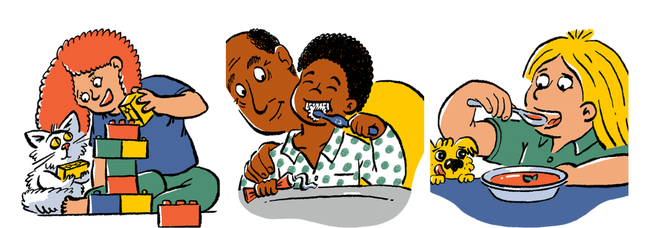
Starting school involves new routines and increased independence. You can help your child become more confident and independent through simple activities at home, making them ready for school. Practise:
- confidence with toileting
- managing clothes and coats
- using cutlery
- sharing and taking turns
- listening and following simple instructions
- speaking and expressing needs (helps your child to communicate how they feel and what they need)
If your child attends a nursery, pre‑school, or a childminder, the staff will continue to work with you to help your child get ready.
For more information about the skills your child will need and how you can help them at home, please visit Home - Starting Reception.
Toilet training
Children should be fully toilet‑trained well before starting school unless they have a medical condition affecting bladder or bowel control.
Being nappy‑free helps children feel more confident, included, and ready to learn. Learning to use the potty is a key step in your child’s growing independence.
Useful resources:
CBeebies skills for starting school resources
CBeebies skills for starting school collection on the CBeebies Parenting website offers free, expert advice and activity ideas to grow children’s independence and support their development.
Find help with everything from introducing the potty and toilet independence, taking turns and sharing, to helping with shyness around starting school and managing separation anxiety.
Families can also enjoy a selection of songs, stories, games and advice from CBeebies on BBC iPlayer.
Additional needs when starting school
When it comes to beginning school, some children may need a little extra support, and that is completely normal.
If your child may need extra support, share information early with their new teacher. They can work with you to help support your child.
Children with SEND, summer‑born children or those learning English as an additional language may need more time or support.
Early support makes a difference. Ask for help from your child's:
- childminder
- nursery
- preschool
- health visitor
- staff at your Family Hub
- SENDIAS
- The Parent's Portal by Autism Early Support
- Buckinghamshire NHS children and young people services for targeted support
Apply for a school place
As a parent/carer, you will need to apply for a school place for your child. Get guidance, advice and support to help you decide upon and apply for a school place. Discover useful dates and timelines, and what to do if your child has an Educational Health Care Plan and more.