Introduction to SEND
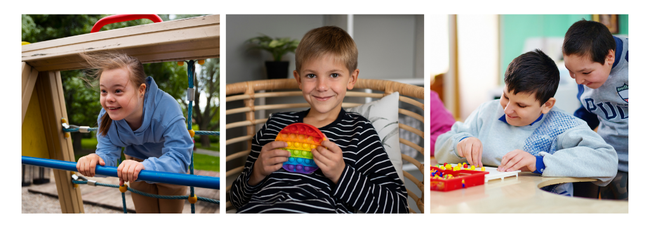
All children and young people (CYP) are entitled to education that is appropriate for their needs. Their education should enable them to fulfil their potential. CYP with special educational needs do not need a confirmed diagnosis to access support and help with their needs.
What is SEND
SEND is short for Special Educational Needs and Disabilities. For CYP, having SEND means that they may have a range of needs. These may include:
- learning
- communication
- social interaction
- physical or sensory differences
The full definition can be found in the Equality Act 2010 and the Children and Families Act 2014
Your SEND journey
This guide has been created to help you navigate the area of SEND. It should help your child on their “SEND Journey”.
It aims to provide you with initial information on what you can do to help your child feel confident and ready for adulthood.
There are professionals and organisations in your local area who can help you with SEND.
Health Visiting
The Health Visiting Service can help with:
- taking care of you and your family
- encouraging your child to develop and grow
- keeping your child safe
- making an Early Years Notification. This lets the council know about your child
- ensuring your child is ready to start school
Education setting and SENCO
Arrange a meeting or email your child’s teachers and/or special educational needs co-ordinator (SENCO). SENCOs work closely with young people with SEND. They ensure your child/young person gets the best from their education setting. Their setting could include:
- Early years settings. For example, nurseries or preschools.
- School
- Providers of further education. For example, colleges.
School nurses
You can contact the school nursing service. They offer a wider range of resources to support you and your child. This support range from early years settings through to secondary school.
The service can provide support with:
- transitioning into school
- medical, social, emotional or physical needs
Additional resources are also available on:
Speak to your GP
If you are concerned about your child or young person's health, you should speak to your GP. This could include both their mental and physical health.
Buckinghamshire Family Hubs
You can find help and support at one of our Family Hubs. They provide services for children and young people with SEND up to the age of 25.
You can drop in to one of our Family Hub main sites - Best Start Elmhurst, Mapledean, and Newtown - for information and support at the following times:
- Monday to Thursday, 9am to 5pm
- Friday, 9am to 4pm
Buckinghamshire Family Information Service (BFIS)
The Buckinghamshire Family Information Service is here to support you. They can offer guidance, support and signposting for a range of issues. You can get in touch with BFIS by:
- Email: [email protected]
- Phone: 01296 383 293
- Request support online
- Complete a form for support in your local library
Bucks SENDIAS
Buckinghamshire SENDIAS (SEND Information, Advice and Support) team is an organisation separate from Buckinghamshire Council. They provide independent guidance and support for SEND.
Bucks parent/carer forum
FACT Bucks is the parent carer forum for families of children and young people aged 0 to 25 with Special Educational Needs and Disabilities (SEND) in Buckinghamshire. As part of the national network of parent carer forums, it:
- supports and empowers parents and carers to work in partnership with local services,
- helps shape and improve the support available to children and young people across the county.
You can access a wide range of services designed to support you and your child throughout your education journey. This helps to ensure the right help is available at the right time.
All children and young people are entitled to a mainstream education. This means all education providers must support children and young people in their settings through:
- SEN support
- Universal provision
Sometimes an education provider may be unable to give a child or young person with SEND the help required. In this instance, you may want to consider applying for an Education, Health and Care Plan (EHCP).
If you want to speak to someone from the SEND service, or have questions about your child/young person’s EHCP plan, you can phone the SEN support line on 01296 382135.
The phone line is open Monday, Wednesday, Thursday and Friday, 10am to 4pm and Tuesdays, 4pm to 6pm, during term time. There are reduced hours during the holiday periods.
We want to ensure that all our children and young people have access to the care and support they may also need outside of educational settings. Support at home is available through a variety of services across Buckinghamshire, including:
Social Care Children with Disabilities Team
The Social Care Children with Disabilities team can provide personal care and practical help for children and young people with SEND. (Eligibility to be confirmed by assessment)
Short breaks
Short breaks (or respite care) give children and young people with SEND the opportunity to have time away from their families. This helps develop independence, learn new skills, and make friends. Respite also supports parents and carers to have a break from caring responsibilities
Other support available online
Therapies
Children's Integrated Therapy Service
The Children’s Integrated Therapy Service offer Advice, training and consultations through their advice clinics for:
- Speech and Language Therapy
- Occupational Therapy
- Physiotherapy
The Parent Portal - speech and language
The Parent Portal - Speech and language provides ideas and advice, information and activities for developing your child’s understanding, talking and listening in a way that works for all of your family.
Neurodevelopment support
Autism Central for parents and carers
Autism Central for parents and carers offers families education, coaching, and connection through:
- resources
- one-to-one peer support
- group learning events
The Parent Portal by AES
The Parent Portal by AES is an interactive 24/7 community of support, resources and guidance. Wherever you are on your journey, the portal will help you with what you need to know and when you need to know it.
Autism Toolbox for parents/carers
Autism Toolbox helps parents/carers of autistic children find advice and support.
Referrals and waiting lists in Buckinghamshire
Find out more information about referrals and waiting lists in Buckinghamshire
Family and youth services
Youth courses
Our Youth courses offer a range of virtual and face-to-face courses for young people aged 7 to 19 (up to 25 with Special Educational Needs and Disabilities, or SEND) to help with their wellbeing.
Family Hub Network
The Family Hub Network is your one-stop shop for advice, support, and services. They aim to help throughout your family journey, from birth to 19 or up to 25 with special educational needs and disabilities (SEND).
Mental health
Child and Adolescent Mental Health Service (CAMHS)
CAMHS provides specialist Child and Adolescent Mental Health Services. Their single Point of Access can offer advice and signposting and can support making a referral if needed.
As the parent or carer of a young person with special educational needs (SEN), you will help them to make important decisions.
Mencap's Mental Capacity Act resource pack can help you to understand:
- how to make sure people with SEN are involved in decision-making
- who can make decisions if a relative cannot
- how to follow the law and complaints procedures
Infodeo have also created an animated guide on The Mental Capacity Act.
When can young people make their own decisions
A child becomes a young person when they are no longer of compulsory school age. That is, the end of June in the year they turn 16. A young person then has the right to make decisions for themselves.
Parents and carers should still be included in making important decisions. They have parental responsibility until a young person is 18. It should always be assumed that a young person has the mental capacity to make their own decisions, unless proven otherwise.
Whilst a young person may have trouble making complex decisions, they may have the capacity to make simple decisions.
As the parent or carer of a child or young person with SEND, you may be entitled to extra benefits to help care for your family.
Young people with SEND over the age of 16 can get benefits to help them in education, find a job or become independent.
Parents, carers and young people with SEND may also get extra money from universal benefits. Universal benefits are available to everyone, not just people affected by SEND. They include funded childcare and Universal Credit.
Find out more about the money and benefits you may be able to apply for.
Sign up to the Disabled Children Register (DCR) to receive communication and updates from SEND-related services, as well as access to discounts on days out.
The DCR records information such as:
- types of disabilities
- ages of children and young people with SEND
- where children and young people with SEND live
Once you have registered, you will be sent a Max Card for discounted family days out.
All early years settings and providers are required to offer an inclusive environment. They must give the same opportunities to children with SEND as they do for every other child. These settings include nurseries, preschools, and childcare.
When parents and professionals work together to identify SEND needs early, it ensures the right support is in place from the beginning of a child’s full-time education. This helps them have the best chance to thrive and succeed.
Support is available to help you find childcare that suits children with SEND and direct you towards other sources of support. More information is available in SEND childcare and early years, including:
- Find childcare that suits children with SEND.
- Help for children with SEND in early years settings.
- What is 'Early Years Autism' and how to access it.
- Buckinghamshire’s Portage Service.
- Help with paying for childcare.
When a young person with SEND is in year 9 (aged 13 or 14), support starts for planning the move to adulthood. This carries on during education until they reach 25 years old. The process is called 'Preparing for Adulthood', sometimes referred to as 'transition planning'.
It is an exciting stage in life. But it can also be a difficult and uncertain time for a young person with SEND. We can provide support and guidance on navigating this stage in their life. Some key aspects of life which this planning focuses on:
- education, employment, and training
- living independently
- social inclusion (including having friends and supportive relationships)
- being healthy
Your child's school, Buckinghamshire Council and your child's health services will all be involved in helping your child and family plan this next stage in their life.
Holiday Activity and Food Programme (HAF)
HAF provides free holiday activities for children and young people during school holidays. It is for children and young people whose families receive benefits related free school meals.
Things to do
Our Activities for SEND area has lots of information and ideas for keeping children and young people entertained. This includes:
- Things to do near you
- Things to do at home
- Short breaks
- Discounts for children and young people with SEND
- Accessible venues
Our things to do area also has information and ideas for the family, including:
- Outdoor activities including walks, trails, cycling routes and parks.
- Holiday activities
- Activities for babies and toddlers
- Clubs and groups
- Sports and fitness
You can also find things to do in Buckinghamshire on our directory using the widget below.
Parenting programmes
Our Family Hubs run a variety of parenting programmes. These provide advice, support and guidance to help parents feel more confident in meeting their child's needs.
Programmes that can be tailored for children with SEND include:
- The Nurturing Programme (for parents of 3 to 11 year olds)
- Talking Teens (for parents of 11 to 18 year olds)
Other courses, groups and support are also available.
Other support available
Below are services and organisations that can help and support parents/carers of children and young people with SEND.
- NHS Buckinghamshire Talking Therapies.
- CAMHS have resources to support you in supporting your child or young person with their mental health.
- Bucks Mind has information available about the challenges of parenting with a mental health problem.
- Anna Freud has information and support to help you take care of yourself whilst taking care of your children.
- Buckinghamshire SENDIAS (SEND Information, Advice and Support) team is an organisation separate from Buckinghamshire Council. They provide independent guidance and support for SEND.
- FACT Bucks is a group of parents and professionals who meet to discuss issues that affect children and young people with SEND.
- IPSEA (Independent Provider of Special Education Advice) offers free and independent, legally based information, advice, and support. They help get the right education for children and young people with a range of SEND.
- NHS tips to improve your mental wellbeing. Resources available to provide 7 key areas of life where simple changes can make a difference to your own health and wellbeing.
Online communities
As well as looking to join some local support groups, finding support online can be a good option. Most charities will have a Facebook page or an X (formerly Twitter) account you could follow. There are also lots of closed parent groups on Facebook that you can ask to become a part of. You may find that there's lots of information, resources, ideas, and help from fellow SEND families online.
We want to hear your views as parents/ carers and young people on how we can improve the SEND Local Offer and support. Some of the ways you can get involved include: